
Flat Roof Drainage Problems: Causes and Fixes That Last
Published October 22, 2026 · Mooresville Elite Commercial Roofing
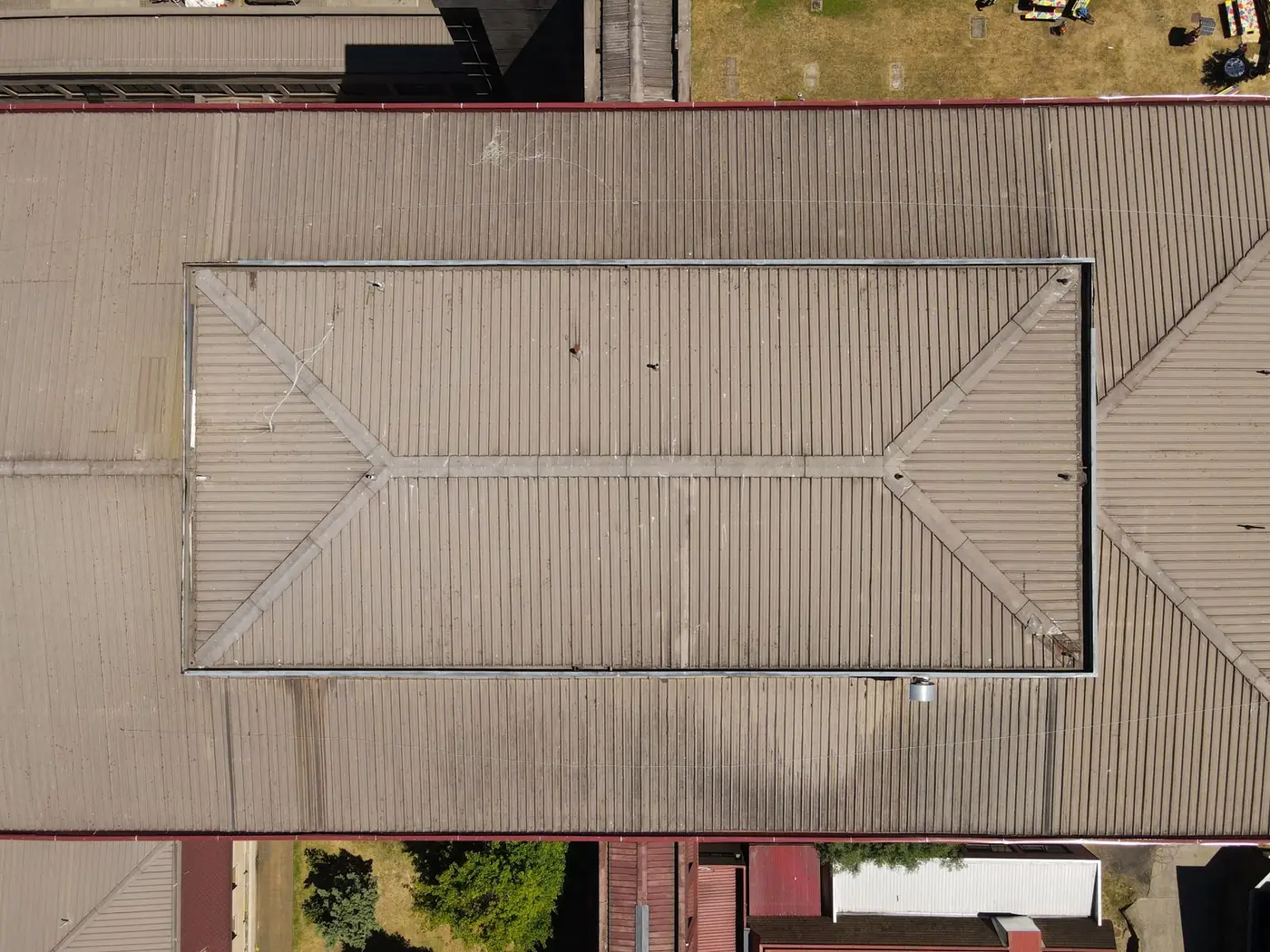
Almost every flat roof problem we are called about in the Mooresville area comes back to drainage. Water that cannot leave the roof finds seams, soaks insulation, and adds weight the structure never asked for. This guide covers why flat roofs hold water and which fixes actually last.
The 48-Hour Rule
A well-built flat roof is not flat — it slopes at least a quarter inch per foot toward its drains and should be dry within 48 hours of rain. Water standing past that mark is called ponding, and it is a defect, not a cosmetic issue. Ponding water weighs about five pounds per square foot per inch of depth, grows algae, and works on seams every hour it sits.
Cause One: Drains That Cannot Keep Up
The simplest cause is the most common: clogged, damaged, or too-small drains, and scuppers blocked by leaves. The second is drains set too high — a bowl installed above the field of the roof guarantees a permanent pond around it. Both are fixable without a new roof: clean and repair, lower or re-sump the bowl, or add drains where the roof's size demands them.
Cause Two: Slope That Was Never There — or Sagged Away
Many older buildings were framed dead flat and relied on the roof system alone for slope. Others have insulation that has crushed or gotten wet and sagged, creating birdbaths mid-roof. The lasting fix is tapered insulation — boards cut at a slope, installed under the membrane to steer water to the drains. Crickets — small tapered ridges — fix the ponds that form behind rooftop units and at walls.
Cause Three: Wet Insulation Holding the Sag
Once water gets into insulation, the boards soften and compress under foot traffic, deepening the pond that let the water in. At that point drainage work alone will not hold: the wet section has to come out. Core samples map exactly how far the water spread, so the repair cuts the wet area and no more.
What Not to Do
Do not accept a coating as a drainage fix. Coating seals a surface; it does not move water. And do not let anyone pour leveling compound into a pond on a roof — it adds weight, cracks, and makes the eventual real repair harder. Fix the slope or the drain; the pond is a symptom.
Questions Owners Ask
How do I know if my roof ponds?
Look 48 hours after a good rain. Any standing water, or the dirt rings and algae stains it leaves behind, means ponding. Photograph it — that photo helps any roofer, including us, plan the fix.
Can tapered insulation be added during a restoration?
Yes. Adding tapered sections and crickets during a coating or recover project is common and cost-effective, since the roof is open and crews are already there.
Will ponding void my roof warranty?
Many manufacturers exclude damage from ponding water, and some warranties require positive drainage. It is one more reason to fix drainage early.
How much does drainage repair cost?
Drain work alone is modest. Tapered systems price by the area corrected. A free inspection with a ponding map gives you the exact figures for your roof.
Back to the blog · Get a free roof inspection · Flat and low-slope roofing · Leak detection and repair